Robot training data
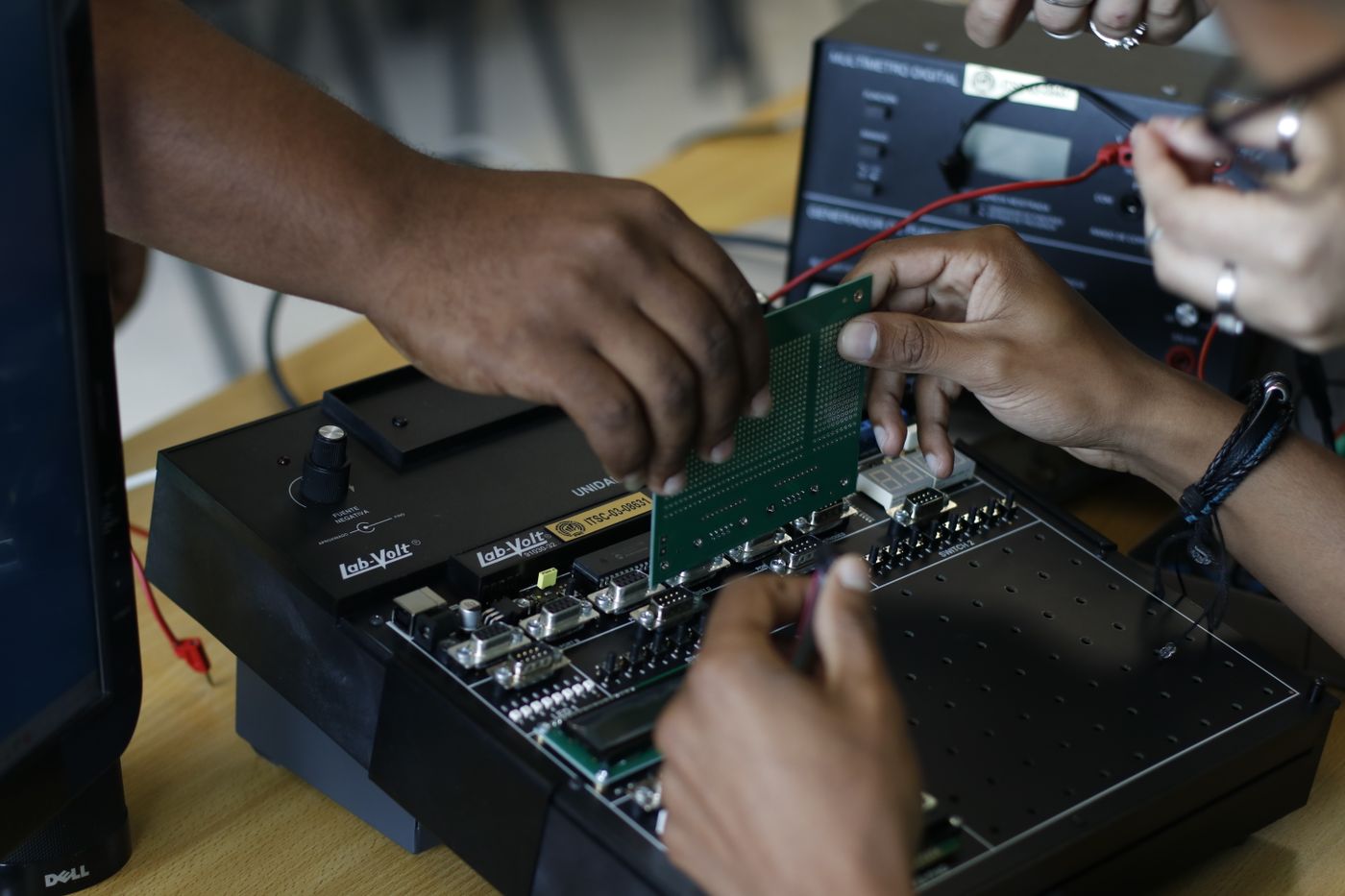
We collect data on how people perform real tasks at work. We organize their actions, the objects they handle, and the results into datasets shaped around your training and evaluation needs.

Kinexis turns data from real human work into robot training datasets and supports on-site deployment.
Worksite data
We work with site operators to choose tasks such as assembly, picking, or inspection. We record how workers use both hands to handle parts and tools, including how they respond when a task changes.
See how we collect dataRobot training data
We link each step of the task to how both hands move. Where the training task calls for it, we estimate hand joint coordinates and produce 3D hand models.
See what the data includesField deployment
We work with site operators and robotics teams to connect robots with existing equipment and test routine work and exceptions. The results guide deployment and daily operations.
See what we validate on siteDots show joint and fingertip locations. Wrist and index-tip trails are solid for the left hand and dashed for the right. The mesh is an estimated shape aligned to the footage.
A dataset can show how a person carries out a task, which tools and objects they use, and where they adjust or retry. We agree on what to label and what motion data to include based on what your robot needs to learn.
We collect data on how people perform real tasks at work. We organize their actions, the objects they handle, and the results into datasets shaped around your training and evaluation needs.
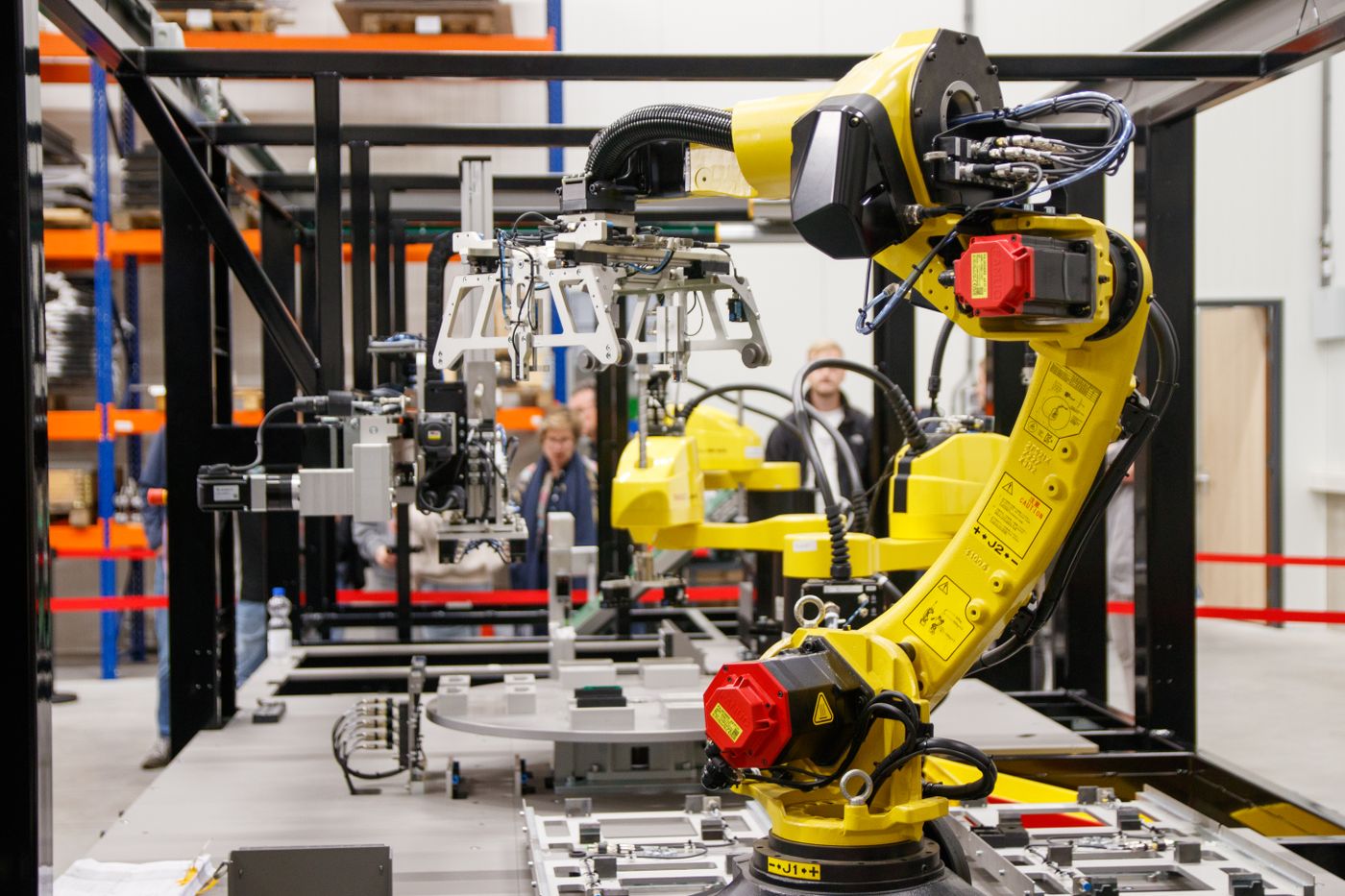
We help site operators identify tasks for robots and connect them with robotics teams. Together we test the robots under real working conditions and coordinate deployment with the people who will run them.
We help site operators and robotics teams define the job, test how the robot handles routine work and exceptions, and use the results to plan and support deployment.
See how we support field deploymentIdentify where robots can help, test them in your workflow, and plan how to bring them into daily operations.
Understand the tasks and constraints your system will face, validate how it performs on site, and coordinate deployment with site operators.
Choose the tasks your robot needs to learn or the workflow where it will operate.
Set the data specifications or define how the robot should perform on site.
Use a data sample or on-site trial to decide what to refine and when to expand collection or deployment.
Get in touch about robot training data or field deployment.